

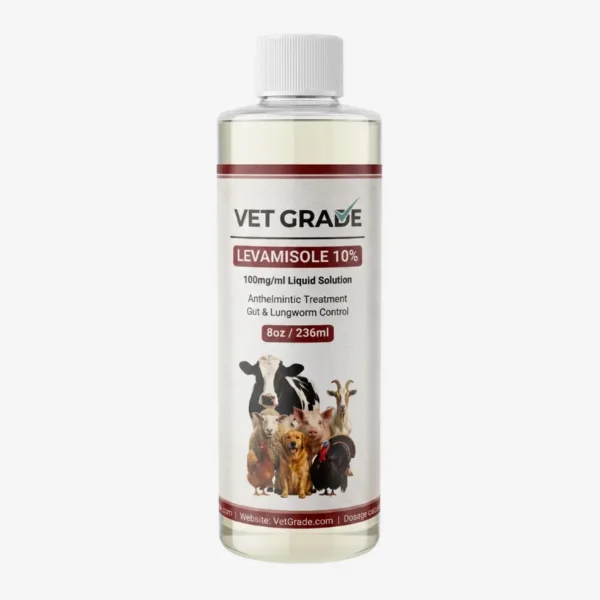
Levamisole Liquid Solution
$12.95 – $184.75Price range: $12.95 through $184.75
- Livestock-Focused Use – Formulated for sheep, goats, cattle, pigs/swine, and poultry (not used in dogs, cats, or horses — more on that below).
- Dual Dewormer & Immune Support – Clears GI and respiratory roundworms while also stimulating T-cell immune activity, which may help stressed or heavily parasitized animals during recovery.
- Strong Against Lungworm – One of the more reliable options against Dictyocaulus lungworm species, helping relieve coughing and respiratory irritation from lung parasites.
- Useful for Resistance Rotation – Works through a different mechanism than benzimidazoles (like fenbendazole) or macrocyclic lactones, making it a genuine rotation option where resistance to those classes has developed.
- Easy Liquid Dosing – A 10% oral solution for accurate weight-based dosing with an oral syringe, or mixed into water/feed for herds and flocks.
- Vetgrade.com’s Top Quality – Every bottle of Vet Grade Levamisole is made for consistent potency you can dose with confidence.

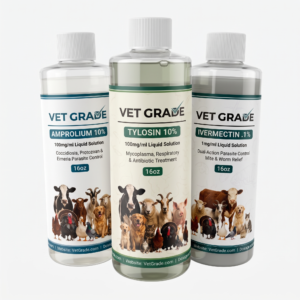
More Products from This Brand
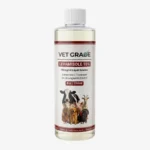
Levamisole Liquid Solution
$12.95 – $184.75Price range: $12.95 through $184.75
Description
Levamisole Liquid Solution is a 10% oral dewormer built for livestock — sheep, goats, cattle, pigs, and poultry — and it works differently from most anthelmintics in two ways. First, it paralyzes worms through a distinct mechanism (a nicotinic receptor effect) that doesn’t share cross-resistance with benzimidazoles or macrocyclic lactones, making it genuinely useful in a parasite-control rotation plan. Second, it has a well-documented, if not fully understood, immune-stimulating effect — restoring T-cell activity and supporting phagocyte function — which is why it’s sometimes chosen for animals that are run-down from a heavy parasite burden, not just for the deworming effect alone. Because it’s a ready-to-use liquid, Vetgrade.com’s Levamisole Solution is easy to dose accurately by weight with an oral syringe.
Animals It’s Used For
Cattle, Sheep & Goats
Controls gastrointestinal roundworms (including Haemonchus, Ostertagia, Trichostrongylus, and others) and lungworm (Dictyocaulus species).
Pigs / Swine
Controls GI roundworm species common in swine herds.
Poultry
Controls GI roundworms in flocks, typically administered via drinking water.
Why Not Dogs, Cats, or Horses?
Levamisole has a much narrower margin of safety than other dewormers in our lineup — in small animals, doses only a few times higher than the treatment dose can be dangerous, there’s no specific antidote, and it’s simply not the standard choice for pets or horses in modern veterinary practice. That’s why you won’t find it labeled for those species.
Symptoms & Indications
Signs of GI Roundworm Burden
- Diarrhea or loose stool
- Weight loss or poor growth/weaning weights
- Rough coat and general unthriftiness
- Reduced appetite
Signs of Lungworm (Dictyocaulus)
- Persistent coughing, especially with exercise or activity
- Rapid or labored breathing
- Nasal discharge
- Reduced milk production or weight gain in affected herds
Important Safety Note
Levamisole has one of the narrowest safety margins of any dewormer in common livestock use — its safety index is roughly 2 to 6 times the treatment dose, well below products like fenbendazole. Overdose can cause salivation, tremors, difficulty breathing, and in severe cases, respiratory failure, and there is no specific antidote. Precise, weight-based dosing matters more here than with most other dewormers — always weigh the animal (don’t estimate), and don’t “round up” doses for convenience. There are also anecdotal reports linking levamisole to late-term abortion in goats specifically; many vets recommend avoiding its use in late-pregnancy does as a precaution.
Levamisole Liquid Solution Dosing Chart
Doses below reflect commonly referenced veterinary ranges and are for general informational purposes. Always confirm exact dosing and treatment length with a veterinarian.
Cattle
| Dose | Schedule | mL per 100 lb body weight (10%) |
|---|---|---|
| 7.5 mg/kg (3.4 mg/lb) | Single dose | 3.41 mL |
Sheep & Goats
| Dose | Schedule | mL per 10 lb body weight (10%) |
|---|---|---|
| 7.5 mg/kg (3.4 mg/lb) | Single dose | 0.34 mL |
Pigs / Swine
| Dose | Schedule | mL per 10 lb body weight (10%) |
|---|---|---|
| ~8 mg/kg (3.6 mg/lb) | Single dose | 0.36 mL |
Poultry
| Dose | Schedule | mL per lb body weight (10%) |
|---|---|---|
| 25 mg/kg (11.3 mg/lb) | Single dose, or via medicated drinking water | 0.11 mL |
Flock treatment is typically dosed through drinking water rather than dosing each bird individually — water intake varies with temperature, season, and flock size, so work with a poultry veterinarian or extension service to calculate an accurate water-medication rate rather than estimating.
Dosing Instructions
- Shake the bottle thoroughly before each use to ensure the active solution is completely uniform.
- Weigh the animal — don’t estimate — given levamisole’s narrow safety margin, accurate weight-based dosing matters more here than with most other dewormers.
- Using a calibrated oral syringe, measure the exact fluid volume required.
- Administer directly into the side of the mouth, or mix thoroughly into feed or a small palatable portion that will be consumed immediately.
- For herd or flock treatment, mix the calculated dose into drinking water and ensure consumption within the treatment window.
- Watch treated animals for a few hours after dosing for any signs of excess salivation, tremors, or breathing difficulty, and contact your veterinarian promptly if these occur.
- Consider rotating with a different anthelmintic class (rather than repeating levamisole every treatment cycle) to help slow the development of resistance.
FAQs
Can levamisole be used in pregnant animals? It depends on the species. In cattle, it’s generally considered relatively safe in pregnant animals. A study in sheep found no effect on pregnancy at the standard 7.5 mg/kg dose. In goats specifically, there are anecdotal reports linking levamisole to late-term abortion, so many veterinarians recommend avoiding it in does in late pregnancy as a precaution. Always confirm with your veterinarian for your specific situation.
Are there withdrawal periods for meat, milk, or eggs? Yes, though reported figures vary widely by formulation and country — anywhere from about 3 days to over a month for meat withdrawal in cattle, sheep, goats, and swine, depending on the specific product. Levamisole generally isn’t approved for use in animals producing milk or eggs for human consumption, even where a specific withdrawal period is listed. Always check your specific product label and confirm with your veterinarian or FARAD before treating a food-producing animal.
Why isn’t this labeled for dogs, cats, or horses? Levamisole has a much narrower safety margin in small animals — overdoses only a few times the treatment dose can be dangerous, there’s no antidote, and other dewormers (like fenbendazole or pyrantel) have a much wider margin of safety and are the standard choice for pets and horses today.
What does “immunomodulator” actually mean here — will it cure a sick animal? No — it means levamisole has a documented effect on T-cell activity and immune cell function alongside its deworming action, which is why some producers use it preferentially for animals that are run-down or heavily parasitized. It’s a supportive property, not a treatment for infections or diseases unrelated to parasites, and it shouldn’t be relied on as a substitute for addressing the underlying cause of illness.
Why would I choose this over fenbendazole or ivermectin? The main reason is resistance management. Levamisole works through a different mechanism than benzimidazoles (like fenbendazole) or macrocyclic lactones (like ivermectin), so parasites resistant to those classes are often still susceptible to levamisole. Rotating dewormer classes, rather than using the same one repeatedly, is a standard strategy for slowing resistance development in a herd or flock.
What should I watch for after dosing? Excess salivation, tremors, unsteadiness, or labored breathing are signs of overdose or sensitivity and warrant an immediate call to your veterinarian. These are uncommon at correct doses but worth watching for given levamisole’s narrower safety margin compared to other dewormers.
How should it be stored, and what’s the shelf life? Store at room temperature, out of direct sunlight, tightly capped. Shake before each use. Discard if the solution changes color, smells off, or is past the expiration date on the bottle.
Note:
Doses reflect commonly referenced veterinary ranges and are for general informational purposes. Always confirm exact dosing and treatment length with a veterinarian.
Reviews
There are no reviews yet.