

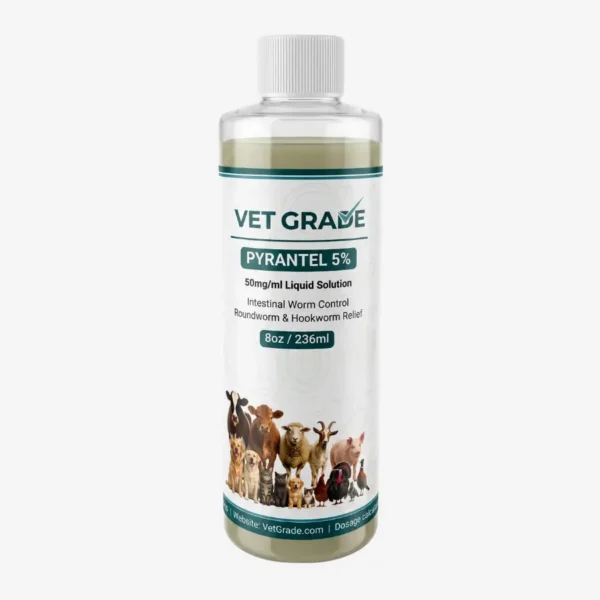
Pyrantel Liquid Solution
$14.95 – $293.25Price range: $14.95 through $293.25
- Multi-Species Use – Formulated for horses, dogs, cats, pigs/swine, goats, and sheep.
- Targets Intestinal Worms, Not Coccidia – A dewormer (anthelmintic) that paralyzes and clears adult roundworms, hookworms, large strongyles, and nodular worms from the gut — a different job than our coccidiosis products.
- Addresses Key Symptoms – Helps manage a pot-bellied appearance in young animals, poor growth, vomiting or diarrhea, weakness, pale gums, and a dull coat linked to worm burdens.
- Easy Liquid Dosing – A 5% oral solution for accurate weight-based dosing with an oral syringe.
- Palatable Flavor Options – Chicken, tuna, apple, vanilla, or unflavored — most dogs and cats readily accept pyrantel’s taste.
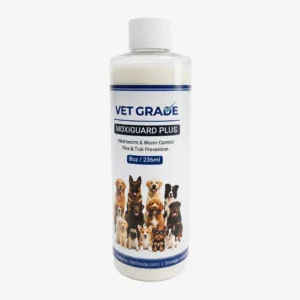
- Vetgrade.com’s Top Quality – Every bottle of Vet Grade Pyrantel is made for consistent potency you can dose with confidence.

More Products from This Brand
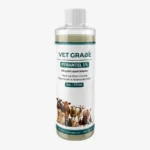
Pyrantel Liquid Solution
$14.95 – $293.25Price range: $14.95 through $293.25
Description
Pyrantel Liquid Solution is a 5% oral dewormer, not a coccidiosis treatment — it works against intestinal roundworms and related nematodes in horses, dogs, cats, swine, goats, and sheep. Pyrantel paralyzes adult worms in the gut by overstimulating their muscles, so they lose their grip on the intestinal wall and pass out in the stool. It’s considered one of the gentler dewormers available, safe enough for use in puppies as young as two weeks and commonly recommended for nursing and pregnant cats. Because it’s a ready-to-use liquid, Vetgrade.com’s Pyrantel Solution is easy to dose accurately by weight with an oral syringe.
Animals It’s Used For
Horses
Foals and adult horses — removes large strongyles, small strongyles, pinworms, and ascarids (roundworms). At double the standard dose, it can also help control tapeworms.
Dogs & Cats
Puppies, kittens, and adults — clears roundworms and hookworms, two of the most common intestinal parasites in young pets.
Pigs / Swine
Removes large roundworm (Ascaris suum) and nodular worm (Oesophagostomum) infections.
Goats & Sheep
Used off-label (no pyrantel product is currently labeled specifically for goats or sheep in the US) against stomach worms and other gastrointestinal nematodes, including Haemonchus, Ostertagia/Teladorsagia, Trichostrongylus, Nematodirus, Chabertia, and Cooperia species.
Symptoms & Indications
Signs of Intestinal Worm Burden
- Pot-bellied appearance, poor growth, or failure to thrive (especially in young/nursing animals)
- Vomiting or diarrhea, sometimes with visible worms
- Weakness, pale gums, or anemia (more common with hookworm)
- Dull, rough coat
- Weight loss despite normal appetite
Adult animals with a light worm burden often show no obvious symptoms at all, which is why routine, scheduled deworming (not just symptom-based treatment) is standard practice in most species.
Important Note: What Pyrantel Doesn’t Cover
Pyrantel is effective against adult roundworms and hookworms in the gut, but it does not kill migrating larvae already in body tissue, and it’s not effective against whipworms or tapeworms at the standard dose (horses are the exception, where a doubled dose adds tapeworm coverage). This is why a second dose 2–4 weeks after the first is standard practice — it catches larvae that have since matured into adults, before they can reproduce and restart the cycle.
Pyrantel Liquid Solution Dosing Chart
Doses below reflect commonly referenced veterinary ranges and are for general informational purposes. Always confirm exact dosing and treatment length with a veterinarian.
Dogs & Cats
| Dose | Schedule | mL per 10 lb body weight (5%) |
|---|---|---|
| 5–10 mg/kg (2.3–4.5 mg/lb) | Single dose, repeat in 2–3 weeks | 0.45–0.91 mL |
Puppies and kittens are often redosed every 2 weeks until 12–16 weeks of age as part of a standard deworming schedule.
Horses
| Dose | Schedule | mL per 100 lb body weight (5%) |
|---|---|---|
| 19 mg/kg (8.6 mg/lb) | Single dose | 17.3 mL |
| 38 mg/kg (double dose, for added tapeworm coverage) | Single dose | 34.5 mL |
Pigs / Swine
| Dose | Schedule | mL per 10 lb body weight (5%) |
|---|---|---|
| 12.5 mg/kg (5.7 mg/lb) | Single dose | 1.14 mL |
Goats & Sheep
| Dose | Schedule | mL per 10 lb body weight (5%) |
|---|---|---|
| 5–20 mg/kg (2.3–9 mg/lb) | Single dose (some protocols split into two doses 24 hours apart) | 0.45–1.82 mL |
Reported goat and sheep doses vary more than in other species since there’s no FDA-approved pyrantel product for small ruminants — work with your veterinarian to settle on a dose appropriate for your flock or herd’s parasite pressure.
Dosing Instructions
- Shake the bottle thoroughly before each use to ensure the solution is completely uniform.
- Weigh the animal (or use a recent known weight) for accurate dosing.
- Using a calibrated oral syringe, measure the exact fluid volume required.
- Administer directly into the side of the mouth, or mix thoroughly into a small, highly palatable portion of wet food or a liquid treat that will be eaten immediately.
- Mark your calendar for a follow-up dose 2–4 weeks after the first treatment to catch newly matured worms before they can reproduce.
- For puppies, kittens, or animals in a herd/flock deworming program, follow a regular schedule rather than a single one-time dose.
FAQs
Can pyrantel be used in pregnant animals? Pyrantel is generally considered one of the safer dewormers for use during pregnancy and nursing, and it’s commonly recommended for pregnant and nursing cats. That said, some combination products containing pyrantel are labeled against use in pregnant animals, so always check your specific product and confirm with your veterinarian, especially for horses, goats, and sheep where less pregnancy-specific data exists.
Are there withdrawal periods for meat or milk? Yes, and they vary notably by species. Swine withdrawal is commonly cited around 7 days for meat (some regions list 1 day, depending on the approved product). In the US, pyrantel is not intended for use in horses meant for human consumption. Withdrawal data for goats and sheep is limited since no product is specifically labeled for those species — consult your veterinarian or FARAD before treating any food-producing animal.
Why does my vet want a second dose weeks later? Pyrantel only kills adult worms living in the gut — it can’t reach larvae that are still migrating through body tissue. A second dose 2–4 weeks later catches those larvae after they’ve matured into adults, closing the loop before the worms can reproduce again.
Does pyrantel treat tapeworms or whipworms? Not at the standard dose in dogs and cats — you’ll need a different dewormer class for those. In horses, doubling the standard pyrantel dose does add effective tapeworm coverage.
My adult dog/cat/horse seems healthy — do they still need regular deworming? Often yes. Adult animals with mild worm burdens frequently show no visible symptoms, which is why scheduled deworming (not just treating when symptoms appear) is the standard recommendation, particularly for animals with outdoor access or exposure to other animals.
Is it safe for very young puppies and kittens? Yes — pyrantel is considered safe from about 2 weeks of age in puppies, which is part of why it’s a first-line dewormer choice for young litters. Kittens are commonly kept on a pyrantel schedule (roughly every 2 weeks) until about 16 weeks old.
How should it be stored, and what’s the shelf life? Store at room temperature, out of direct sunlight, tightly capped. Shake before each use. Discard if the solution changes color, smells off, or is past the expiration date on the bottle.
Note:
Doses reflect commonly referenced veterinary ranges and are for general informational purposes. Always confirm exact dosing and treatment length with a veterinarian.
Sources
- Strongid (pyrantel pamoate) Paste — Official FDA Label, DailyMed
- Intestinal Parasites in Cats and Dogs — American Veterinary Medical Association
- Withholding Periods After Anthelmintic Treatment in Animals — MSD/Merck Veterinary Manual
- Efficacy of pyrantel tartrate against Haemonchus contortus, Teladorsagia circumcincta, and Trichostrongylus colubriformis in goats — PubMed
Reviews
There are no reviews yet.