

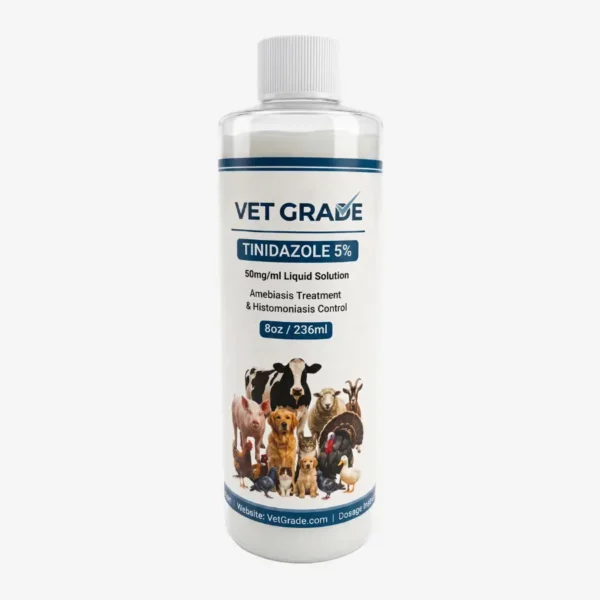
Tinidazole 5% Liquid Solution
$24.95 – $520.95Price range: $24.95 through $520.95
- Advanced Antiprotozoal & Antibacterial: High-efficacy formula designed to eliminate tough single-celled protozoan parasites and deep anaerobic bacterial infections.
- Superior Liquid Bioavailability: Fast-absorbing 5% concentration (50 mg/mL) allows for highly accurate dosing adjusted to your animal’s exact body weight.
- Extended Half-Life: Features a significantly longer therapeutic window than metronidazole, meaning fewer doses and less stress for the animal.
- Stress-Free Administration: Smooth, palatable oral liquid suspension eliminates the struggle of forcing hard tablets down sensitive or uncooperative animals.
- Premium Compounding Quality: Formulated for maximum suspension stability, ensuring uniform strength from the first drop to the last.

More Products from This Brand
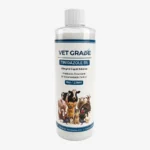
Tinidazole 5% Liquid Solution
$24.95 – $520.95Price range: $24.95 through $520.95
Description
Tinidazole 5% Oral Liquid Solution is a professional-grade, broad-spectrum antiprotozoal and anaerobic antimicrobial suspension formulated for targeted veterinary care. As a nitroimidazole-class medication, tinidazole works at the cellular level by infiltrating the DNA structure of anaerobic bacteria and protozoa, forcing strand breakage and rapid elimination of the infection. Because of its highly lipophilic nature, this medication achieves excellent tissue penetration. Furthermore, its extended elimination half-life allows it to sustain therapeutic blood concentrations much longer than traditional alternatives, resulting in highly effective, fast-acting relief with lower dosing frequencies.
Target Animals & Clinical Use Cases
| Animal Group | Primary Use Cases & Indications | Common Target Pathogens |
| Dogs | Treats severe, persistent diarrhea, giardiasis, amebiasis, and deep anaerobic mouth/tissue infections. | Giardia duodenalis, Entamoeba histolytica, obligate anaerobes. |
| Cats | Treats feline trichomoniasis (chronic large-bowel diarrhea) and stubborn cases of giardiasis. | Tritrichomonas foetus, Giardia lamblia. |
| Pigeons & Exotic Birds | Eradicates “Canker” (avian trichomoniasis) and internal protozoal overgrowths in non-food companion avians. | Trichomonas gallinae, Histomonas meleagridis. |
Basic Dosage & Administration Guidelines
Concentration Strength: 5% Solution = 50 mg of active Tinidazole per 1 mL of liquid.
Always shake the bottle vigorously before every single use to guarantee that the active ingredient is evenly suspended and distributed. Administer directly into the mouth using an oral syringe or dropper.
Dogs (Giardiasis / Protozoal Infections):
Standard Dose: 15 mg per kg of body weight, given orally every 12 hours.
5% Liquid Equivalence: 0.3 mL per 1 kg (approx. 2.2 lbs) of body weight, twice daily.
Cats (Feline Trichomoniasis):
Standard Dose: 30 mg per kg of body weight, given orally once every 24 hours (typically for a 14-day cycle).
5% Liquid Equivalence: 0.6 mL per 1 kg (approx. 2.2 lbs) of body weight, once daily.
Pigeons & Companion Birds (Canker):
Standard Dose: Roughly 40–60 mg per kg of body weight, given directly as a single oral drench once daily for 5 consecutive days.
🐕 Symptoms in Dogs
Chronic or Intermittent Diarrhea: Watery, greasy, or unusually foul-smelling stools that often contain mucus or drops of blood.
Abdominal Discomfort: Frequent gas (flatulence), bloating, visible cramping, or occasional vomiting.
Weight Loss & Fatigue: Gradual weight loss despite having a normal or even increased appetite, paired with a sudden drop in energy.
Severe Bad Breath (Halitosis): In cases of anaerobic oral infections, dogs will exhibit a foul, rotting breath odor, sometimes accompanied by swollen gums or drooling.
🐈 Symptoms in Cats
“Cow-Pie” Diarrhea: The classic sign of Tritrichomonas foetus in cats is chronic, mushy, semi-formed diarrhea that is incredibly malodorous and may contain fresh blood or mucus.
Fecal Incontinence: Litter box accidents, leaking stool, or a sudden urgency to defecate.
Anal Irritation: A red, swollen, or painful anus, often causing the cat to excessively lick the area or “scoot” across the floor.
🕊️ Symptoms in Pigeons & Companion Birds (Canker / Trichomoniasis)
Yellowish Mouth Lesions: Visible “cheesy” or yellowish-white plaques and growths inside the beak, throat, or crop.
Swallowing Difficulties: Stretching the neck to swallow, gaping for air, or flicking seed out of the beak because they cannot swallow it.
Regurgitation: Vomiting up sour-smelling liquid or partially digested food.
“Going Light”: Rapid, severe weight loss where the bird’s breastbone (keel) becomes sharp and prominent.
Depression & Lethargy: Standing with fluffed-up feathers, closed eyes, and a general withdrawal from the flock.
Storage & Handling: Store at controlled room temperature (15°C–30°C / 59°F–86°F). Protect from direct sunlight, excess heat, and freezing conditions. Keep the container tightly closed when not in use.
Reviews
There are no reviews yet.